Monday, July 17, 2023

Unveiling the Magic: How Does a Cream Separator Work?

Welcome to MilkyDay, where we delve into the fascinating world of cream separation. In this blog, we’ll explore the inner workings of a cream separator, demystifying the process behind this ingenious device. Join us on a journey to understand how cream separators transform ordinary milk into its creamy and delightful counterpart.
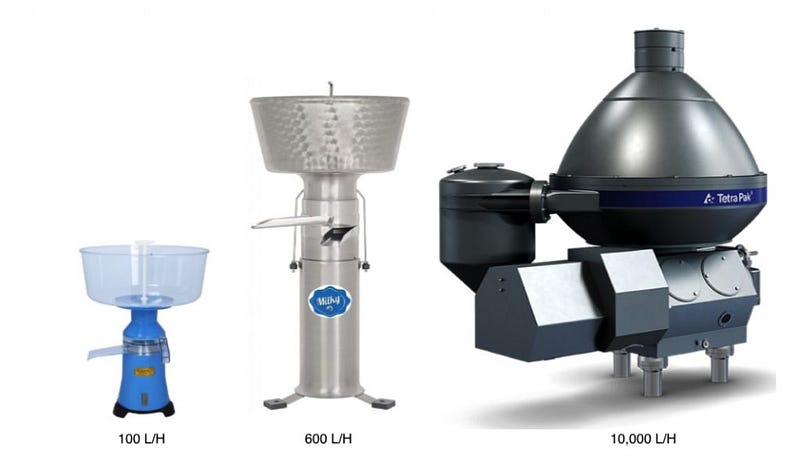
Understanding the Cream Separator:

A cream separator is a mechanical device designed to separate cream from milk. It harnesses the principle of centrifugal force to separate the lighter cream from the denser milk. The device consists of a spinning drum and a set of vanes or disks inside, creating a rapidly rotating motion when in operation. As milk enters the separator, it is directed towards the outer edge of the drum, while the cream, being lighter, collects near the center. The result? A clear distinction between milk and cream, ready for use in various culinary creations.

Centrifugal Force at Work:

Centrifugal force is the key behind a cream separator’s functionality. As the drum spins rapidly, the milk enters through a central inlet, usually located at the top. The milk is then forced towards the outer edge of the drum due to the centrifugal force generated by the rotation. Meanwhile, the cream, being less dense, remains closer to the center of the drum.

The Separator’s Components:

To enhance the separation process, cream separators often incorporate additional components. A crucial element is the disk or vane system inside the drum. These disks or vanes create turbulence and maximize the surface area, allowing for more efficient separation. Additionally, some separators feature adjustable settings to control the thickness of the cream obtained.

Benefits and Applications:

Cream separators offer numerous benefits and find applications in various fields. They enable dairy farmers to efficiently process milk, yielding cream and skim milk for commercial purposes. In a home setting, cream separators allow individuals to enjoy fresh cream for culinary creations, from butter and whipped cream to delectable desserts. Moreover, cream separators facilitate the production of high-quality dairy products, ensuring the optimal consistency and flavor.

Conclusion:

The cream separator is a marvel of engineering, harnessing centrifugal force to perform its magical transformation. Understanding how this device works unlocks a world of culinary possibilities. Whether you’re a dairy enthusiast or a professional chef, the cream separator is an indispensable tool for creating exquisite cream-based delicacies.

Tuesday, June 13, 2023

Experience the Joy of Fresh Butter: Find Your Ideal Butter Churn for Sale

Are you looking to embark on a culinary adventure and experience the joy of churning your own butter? Look no further! We are excited to offer a wide selection of high-quality butter churns for sale. With these handcrafted churns, you can transform fresh cream into delicious, creamy butter right in your own kitchen.


Our butter churns are thoughtfully designed to make the process easy and enjoyable. Simply pour in the cream, turn the handle, and watch as the magic happens. Feel the satisfaction of witnessing the gradual transformation from liquid cream to velvety butter. The rhythmic motion of churning is not only soothing but also a delightful experience for the senses.

Whether you prefer a traditional, vintage-style churn or a modern, streamlined design, we have options to suit every taste and preference. Our butter churns are crafted with durability in mind, ensuring they will be a cherished part of your kitchen for years to come.

By churning your own butter, you have full control over the ingredients and can create customized flavors by adding herbs, spices, or other creative twists. Plus, you'll enjoy the taste of freshly churned butter that surpasses anything you can buy from the store.

Don't miss out on the opportunity to own your very own Butter Churn. Take the leap into homemade butter and elevate your cooking and baking endeavors. Browse our collection of butter churns for sale and start your butter-making journey today!

Tuesday, June 6, 2023

Butter Churns - Exploring the Wonder of Butter Churns

Butter churns are interesting implements used in the traditional process of making butter. They have a rich history dating back centuries and have played a crucial role in households, farms, and communities around the world.


A butter churn is a container or apparatus designed to agitate cream or milk until it separates into butter and buttermilk. It typically consists of a wooden or metal container with a handle or crank attached to a paddle or dasher inside. The churn is operated by hand, with the rhythmic up-and-down or back-and-forth motion creating the necessary agitation to transform cream into butter.

Butter Churns come in various shapes and sizes, reflecting the diverse cultural and regional practices of butter-making. They can range from simple hand-held churns used by individuals or small families to larger, more elaborate churns used in commercial settings.

Using a butter churn allows one to experience the traditional and time-honored method of producing butter. It connects us with our heritage, reminding us of the labor and craftsmanship involved in food preparation before the era of modern conveniences. Additionally, making butter with a Churn Offers a sensory experience, as the rhythmic motion and sound create a unique connection with the process.

For More Information:- https://www.milkyday.com

+1 802 448 5657

Tuesday, May 30, 2023

Cream Separator- The Art of Separation with Cream Separators

The cream separator is an essential piece of equipment in the dairy industry, revolutionizing the way milk is processed and transforming it into various dairy products. This ingenious invention has played a pivotal role in enhancing efficiency and productivity, while ensuring the production of high-quality cream and skim milk.

At its core, a cream separator is a mechanical device that separates the cream from milk. It works on the principle of centrifugal force, which exploits the difference in density between milk and cream. The milk is poured into the separator, and as it spins rapidly, the centrifugal force causes the cream, which is lighter; to separate and raise to the top while the denser skim milk settles at the bottom.


Cream separators come in different sizes and capacities to cater to varying dairy operations. From small-scale farms to large dairy processing plants, these machines have become indispensable in the dairy industry. The separation process not only enables the extraction of cream for various culinary uses but also ensures standardized levels of fat content in skim milk.

One of the significant advantages of Cream Separators is the ability to produce cream with different fat content. By adjusting the settings on the machine, dairy producers can obtain cream with varying fat percentages, such as heavy cream, light cream, or half-and-half. This versatility allows for the creation of a wide range of dairy products, including butter, cheese, and ice cream, each with its distinct texture and flavor profile.

Cream separators have had a transformative impact on dairy farming and processing. Prior to their invention, the separation of cream from milk was a laborious and time-consuming manual task. The introduction of cream separators not only automated this process but also significantly improved efficiency, allowing for large-scale production and streamlined operations.

Moreover, cream separators have contributed to the standardization of dairy products. With precise control over the fat content in both cream and skim milk, dairy producers can maintain consistent quality across batches, meeting the expectations of consumers and commercial buyers alike.

Cream separator is a remarkable device that has revolutionized the dairy industry. By harnessing the power of centrifugal force, it efficiently separates cream from milk, facilitating the production of various dairy products with different fat contents. Its impact on dairy farming and processing cannot be overstated, as it has enhanced productivity, improved efficiency, and ensured standardized quality in the production of cream and skim milk. The cream separator continues to play a vital role in the world of dairy, unlocking the secrets of dairy products and delighting consumers with a wide array of delicious creations.

Thursday, May 25, 2023

The Process of Separating Cream from Milk: A Comprehensive Guide

The separation of cream from milk is a common practice used to obtain the rich and buttery substance that has various culinary and industrial applications. Whether you're a home cook or a dairy industry professional, understanding the process of separating cream from milk is essential. In this guide, we will delve into the various methods employed to achieve this separation, providing you with valuable insights and step-by-step instructions.


1.       
The Gravity Separation Method:

Explanation: Gravity separation is one of the simplest and most traditional methods used to separate cream from milk.

Procedure: This section will outline the step-by-step process, including the use of a shallow container or a cream separator to allow the cream to rise to the top due to its lower density.

2.      Centrifugal Separation Method:

Explanation: Centrifugal separation utilizes the principle of centrifugal force to separate cream from milk, offering a faster and more efficient method than gravity separation.

Procedure: This section will detail the equipment required, such as a centrifugal separator, and the step-by-step process of spinning the milk to separate the cream from it.

3.     Skimming Method:

Explanation: Skimming is a manual method that involves physically removing the cream layer from the milk's surface.

Procedure: This section will describe the process of skimming, including the use of a ladle or a specialized skimmer to carefully skim off the cream.

4.       Commercial Cream Separation Processes:

Explanation: In the dairy industry, cream separation is often performed on a large scale using specialized equipment and industrial processes.

Procedure: This section will provide an overview of the commercial processes involved, such as cream separators, homogenization, and pasteurization.

5.       Tips for Optimal Cream Separation:

Best Practices: This section will provide practical tips and guidelines for achieving the best results when separating cream from milk, including factors like temperature, milk fat content, and equipment maintenance.

Conclusion:

Separating Cream from Milk is a fundamental process that enables us to enjoy cream in its various forms, from whipped cream to butter and beyond. By understanding the different methods of cream separation, you can choose the approach that best suits your needs. Whether you prefer the simplicity of gravity separation or the efficiency of centrifugal methods, the end result will be a deliciously creamy ingredient that enhances your culinary creations. So, gather your tools and embark on your cream separation journey with confidence!

Monday, May 15, 2023

Exploring the Process of Boiling Pasteurized Milk: Benefits and Considerations

Boiling milk is a common practice in many households around the world. While pasteurization is a standard process that kills harmful bacteria and extends the shelf life of milk, some individuals choose to boil pasteurized milk for various reasons. We will delve into the process of boiling pasteurized milk, its potential benefits, and important considerations to keep in mind..


The Purpose of Boiling Pasteurized Milk:

Sterilization: Boiling Pasteurized Milk further reduces the chances of bacterial contamination. While pasteurization eliminates most harmful pathogens, boiling milk provides an additional layer of sterilization, making it safer for consumption, especially in regions with limited access to refrigeration or unreliable storage conditions.

Prolonged Shelf Life: Boiling milk can extend its shelf life by a few days, as it helps to destroy any remaining bacteria or enzymes that could lead to spoilage. This can be particularly useful when dealing with milk that is close to its expiration date.

Potential Benefits of Boiling Pasteurized Milk:

Enhanced Digestion: Some individuals believe that boiling milk aids digestion by breaking down lactose and making it easier to digest. However, it's important to note that people with lactose intolerance may still experience discomfort even after boiling the milk.

Improved Flavor: Boiling pasteurized milk can alter its taste, making it creamier and richer. This can be desirable for certain recipes or when consumed as a standalone beverage.

Psychological Comfort: Boiling milk is a traditional practice in many cultures, and some people find comfort in following this ritual as it reminds them of home and childhood memories.

Considerations When Boiling Pasteurized Milk:

Nutrient Loss: Boiling milk for an extended period may lead to a loss of some heat-sensitive nutrients, such as vitamin C and certain B vitamins. However, the impact is minimal and can be compensated for through a balanced diet.

Skin Formation: When milk is boiled, a thin skin or layer may form on the surface. While harmless, some people find it unappealing. To prevent this, stirring the milk occasionally during the boiling process can help.

Boil-over Risks: Milk has a tendency to boil over and create a mess if not attended to carefully. It is crucial to keep a close eye on the milk while boiling and adjust the heat accordingly to prevent spills and accidents.

Conclusion:

Boiling Pasteurized Milk can offer additional sterilization benefits and prolong its shelf life. While it may enhance digestion for some individuals and provide a richer flavor, it's essential to consider the potential loss of heat-sensitive nutrients and the risk of boil-overs. Ultimately, the decision to boil pasteurized milk depends on personal preferences, cultural traditions, and individual needs.

Thursday, May 11, 2023

Boiling Pasteurized Milk for Enhanced Health and Safety – Milkyday

Boiling milk is a practice that has been followed for generations, and it continues to be a subject of debate among individuals seeking to ensure the safety and versatility of their dairy products. While pasteurization is a standard process that eliminates harmful bacteria from milk, boiling offers an extra layer of reassurance.


Pasteurization, which involves heating milk to a specific temperature and then rapidly cooling it, effectively kills most harmful bacteria. This process is designed to strike a balance between ensuring safety and maintaining the nutritional integrity and taste of the milk. However, some individuals prefer to take an additional precautionary step by Boiling Pasteurized Milk.

Boiling pasteurized milk serves several purposes. Firstly, it provides an added sense of security, especially in regions where milk quality standards may vary. Boiling helps destroy any remaining bacteria that may have survived the pasteurization process, reducing the risk of foodborne illnesses. Additionally, boiling milk can extend its shelf life by inhibiting the growth of spoilage-causing microorganisms.

Furthermore, boiling pasteurized milk can enhance its versatility. When milk is boiled, its composition changes, leading to a thicker consistency. This alteration makes boiled milk suitable for various culinary applications, such as making yogurt, cheese, or traditional milk-based desserts. The thicker texture also adds richness to hot beverages like tea or coffee.

However, it's important to note that boiling milk for an extended period can result in some loss of nutritional value. Heat-sensitive vitamins, such as vitamin C and B vitamins, may degrade to some extent. Nevertheless, milk remains a good source of essential nutrients, even after boiling.

While pasteurization effectively eliminates most harmful bacteria from milk, boiling pasteurized milk can offer an extra level of safety and versatility. By destroying any remaining bacteria and extending its shelf life, boiled milk provides individuals with peace of mind. Additionally, the thicker consistency resulting from boiling enhances its culinary applications. Ultimately, the decision to boil pasteurized milk rests with individuals and their preferences for safety, taste, and culinary needs.

https://www.milkyday.com

+1 802 448 5657